
ADHD-Friendly Organizing Tips That Actually Work
By Michele Perry, Professional Organizer, Columbus, Ohio
Organizing your home or workspace can feel overwhelming, especially when focus, follow-through, or managing distractions is a challenge. ADHD (Attention Deficit Hyperactivity Disorder) can show up differently in everyone, which means what works for one person might not work for another. With nearly 30 years of experience as a social worker in the mental health field, I’ve learned how habits, routines, and small environmental tweaks impact focus, stress, and daily functioning for individuals with ADHD. As a Columbus, Ohio professional organizer, I help clients create simple, sustainable systems tailored to how they function. The tips below are flexible strategies you can try, adjust, and make your own.

Start Small, One Zone at a Time
Trying to organize your whole home or office at once is overwhelming for anyone. Instead, pick one small zone, a drawer, a shelf, or a countertop, and focus there first.
In my work with clients, I have found that starting in the bedroom and creating a more peaceful space can be especially supportive. Turning this area into a sanctuary can be calming to the nervous system and can greatly impact sleep. Start with a nightstand, under the bed, or a dresser drawer.
Completing a small area provides an immediate sense of accomplishment. Starting small reduces overwhelm and builds momentum for larger projects.
Build Systems Based on Habits, Not Ideals
Pinterest is great for inspiration and ideas, but instead of creating Pinterest-perfect spaces, focus on creating systems that fit how you actually live and move through your home. Ask yourself:
“Where does this naturally land?”
“What’s the easiest place for this to live?”
“How fast do we need access to this?”
When you match your organizing systems to your real behavior, rather than an idealized version of your home, you reduce stress and increase sustainability.
Use Visual Cues to Simplify Decisions
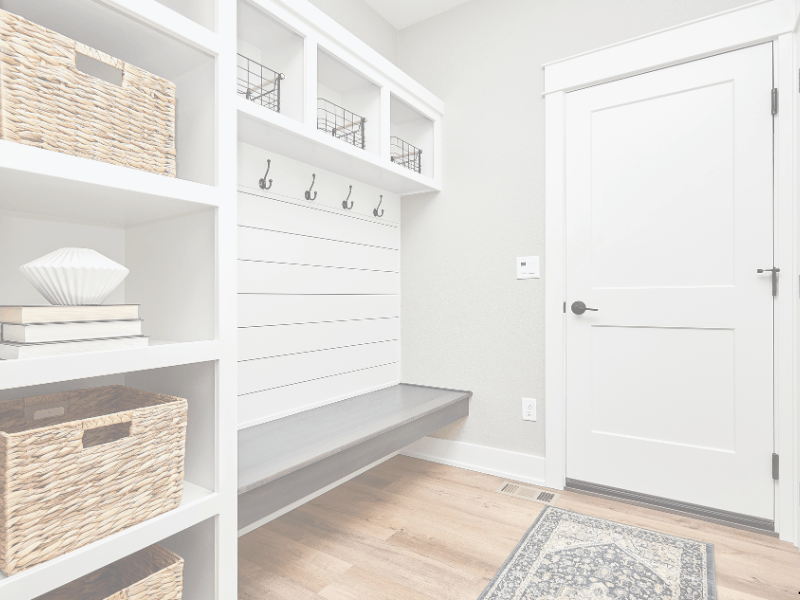
Visual cues help you process information quickly and reduce the mental load of decision-making. If a system can be one or two steps, it is more likely to stand the test of time than something complex.
I have found that large, clear labels help everyone in the household understand where items belong.
Other visual cues may include:
-Color-coded bins for daily vs. occasional items
-Clear containers or open shelving
-Large labels icons (think kid toy room)
-Drop zones for frequently used items
Decision fatigue happens when too many choices feel overwhelming.
Build Quick, Repeatable Routines
Consistency matters more than perfection. Short, repeatable routines help keep spaces functional:
-Morning reset: 5 to 10 minutes putting items back in place
-Evening reset: Clear counters or workspaces before bed
-Weekly focus: Dedicate 15 to 20 minutes to one small zone
Routines like these are flexible and can be adjusted based on your energy and focus. This can also be a family activity. Make it a game for younger children, or set a timer and play music for yourself. The goal is to create an experience you enjoy, rather than one you avoid.
Avoid Perfectionism
Many people feel that if something cannot be done perfectly, it is not worth doing at all. Phrases I often use when working with clients:
-Good enough is great.
-Let’s make this functional, not fancy.
-We can always refine later.
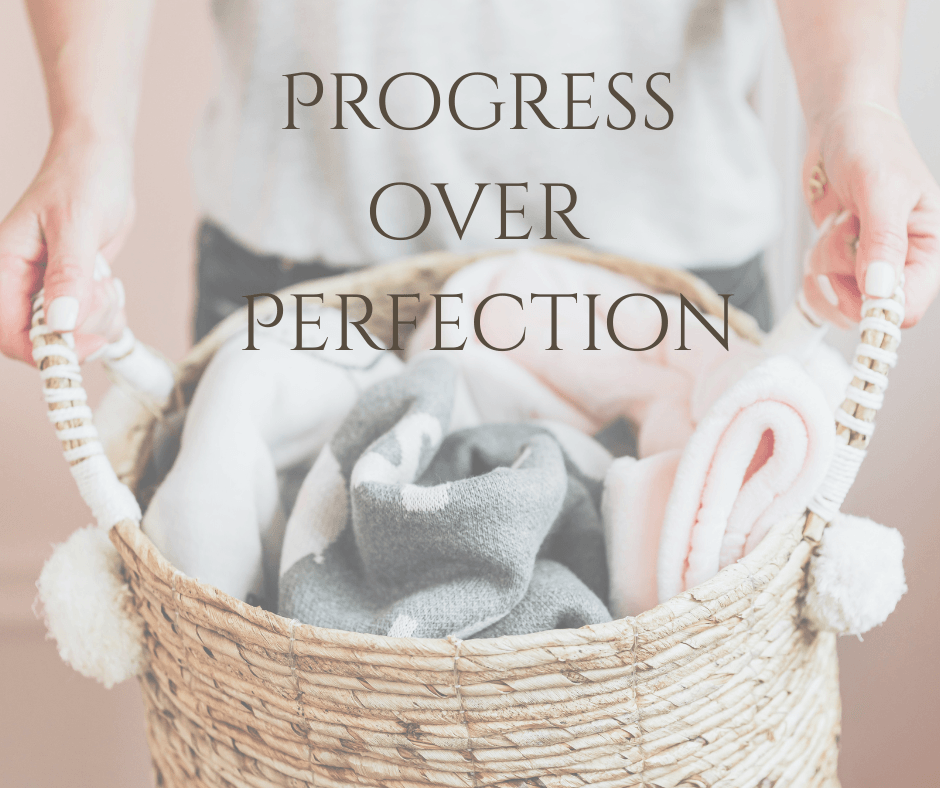
-Progress over perfection.
Functional, manageable systems lead to long-term success. Perfect aesthetics are optional.
Expect Drift and Build That Into Support
Spaces naturally change over time, as do your routines, stage of life, and priorities. This is completely normal, and it is important not to shame yourself when clutter begins to return.
Instead, notice what is happening and schedule time to reset your space in a way that reflects your current needs. For example, family routines often shift in the summer compared to the school year, and your systems may need to adjust accordingly.
Accepting drift as part of the process encourages consistency and keeps your systems sustainable. You can also schedule regular Refresh and Maintain sessions with me, whether weekly, monthly, or quarterly, to support ongoing upkeep.
Why Working With a Professional Organizer Helps
Everyone’s patterns, energy, and focus levels are different. With nearly 30 years in mental health social work and my experience as a Columbus, Ohio professional organizer, I combine behavioral understanding with practical organizing strategies.
I help clients build systems that:
-Fit their real-life habits
-Reduce stress and decision fatigue
-Avoid perfectionism
-Include support for natural changes over time
If you live in Columbus, Ohio and you are ready to create a space that supports your life, I would love to help. Together, we can design systems that are flexible, functional, and sustainable.
